Fun is designed. Economies are engineered. Make us your game studio.
Custom game development in Unreal, Unity, and modern web tech — and play-to-earn economies designed against the math, not the hype. Playtested, tuned, and measured before players ever feel it.
100% in-house development · Oregon & California, USA · 25+ years building production systems
From our game work — reelStatus-labeled: the registry
The short answer
Updated July 2026
Houtos Labs builds custom games and play-to-earn systems the measured way. Unreal Engine and Unity development, web-based instant-play titles, and P2E economies designed and simulated against the math before anyone codes them — because most token economies fail at design time, not launch time.
We work as builders or as studio support: engineering beside your team, economy tuning, on-chain integration, or an honest technical reading of a build that's struggling. Work is labeled by real status in the Registry. On-chain mechanics ride on our web3 practice and custody discipline.
The economy balancer
Every failed P2E chart looks the same: rewards outrunning reasons to spend. Move the two forces and watch the economy tip — this is the design conversation we have before a single contract is written.
Two forces, one fate
Emissions put tokens in players' hands. Sinks give them reasons to spend. Sustainability lives in the ratio — and in whether the game is fun at zero earnings.
Healthy tension. Earnings feel real, sinks stay desirable — the zone where economies age well instead of imploding.
- Net flow+5 / day
- Pressuremild inflation
- Runway shapelong curve
Simplified demonstration model — real economy design simulates cohorts,
price pressure, and player psychology: how we measure.
From the bench
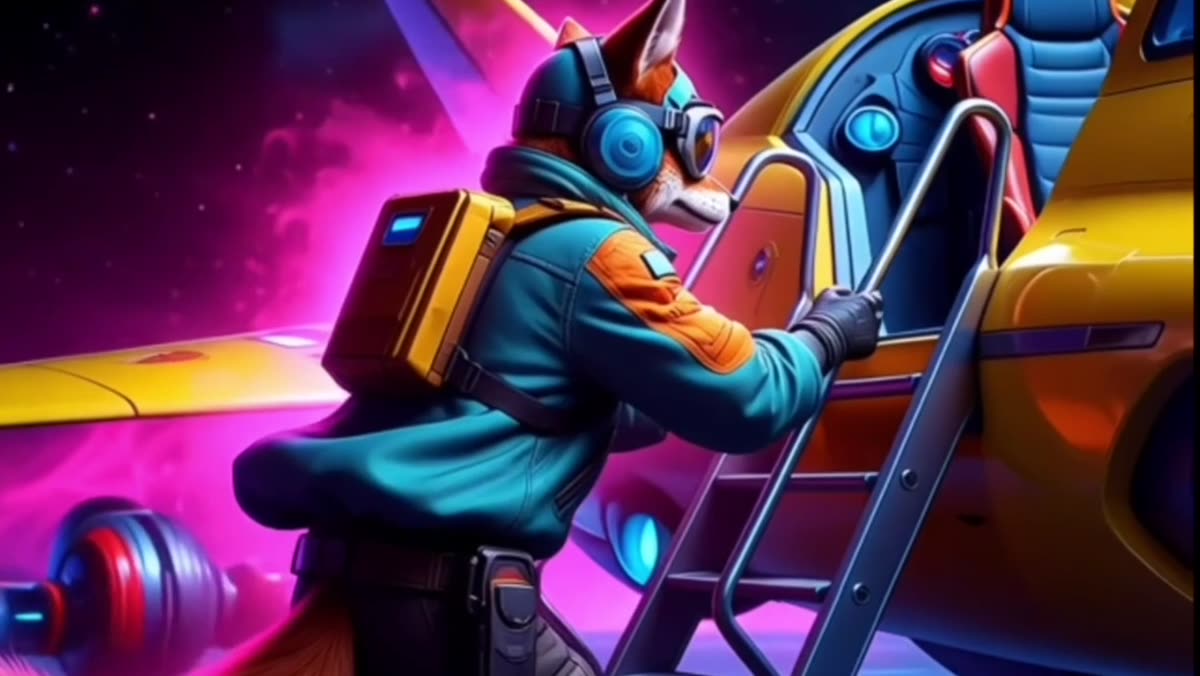
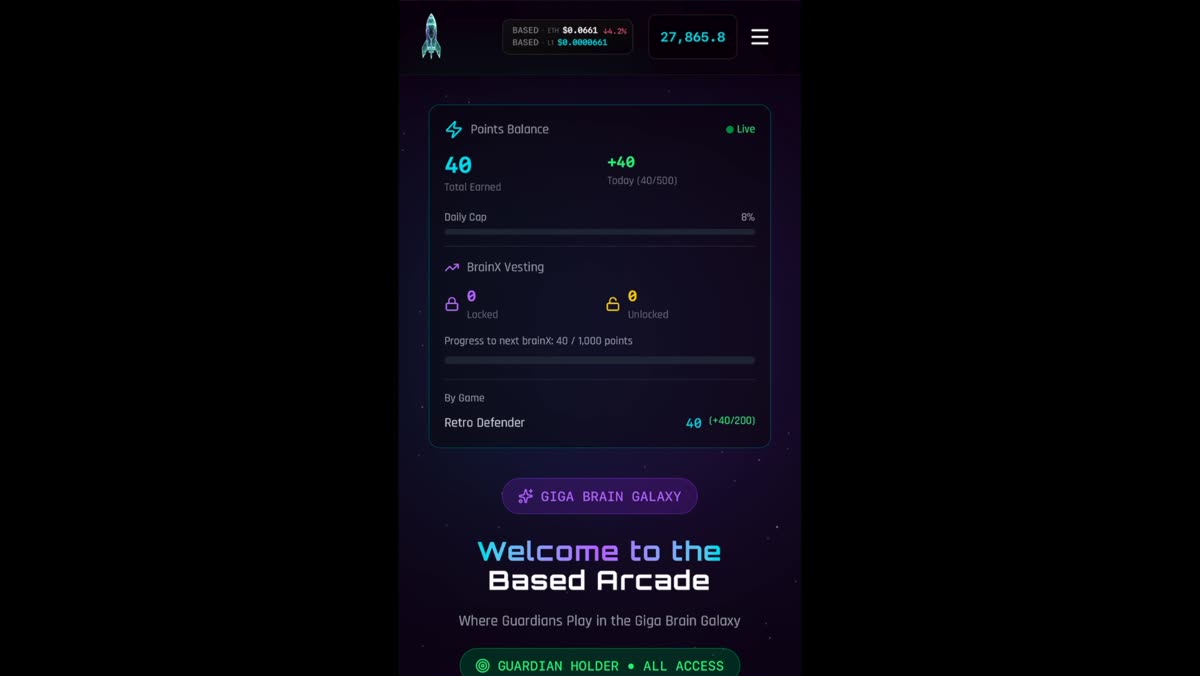
Captures from work on our own titles and tools — labeled exactly as they are, statuses in the Registry.



What our game development covers
From first playable to live ops — as the builder, or as engineering muscle beside your studio.
Custom game experiences
Original titles and branded experiences designed around a loop worth repeating — mechanics first, spectacle in service of them. Prototype early, playtest honestly, tune what the data says.
P2E systems & token economies
Emission schedules, sink design, and reward loops simulated before launch — the balancer above at full scale. On-chain integration handled with the same security discipline as our custody work.
Unreal & Unity engineering
Engine work chosen for the game, not the trend: Unreal for high-fidelity 3D ambitions, Unity for mobile and cross-platform speed, web tech for instant-play reach. The scope says which — and why.
Studio support & rescue reads
Capacity beside your team, economy tuning on a live title, or a plain-English technical reading of a build that's drifting — you keep creative control; we bring measured engineering.
Playtested. Then shipped.
The loop first · the math early · the data decides — spectacle in service of both
Proof, honestly
The standing rule: no invented player counts, no borrowed trailers. The balancer above is labeled a model because it is one; shipped and in-build work lives in the Registry with real statuses. "Playtested & measured" is a discipline, not a slogan — it's the same instrument the whole studio runs on.
Work, labeled as it is
Live, in build, or concept — statuses real, nothing inflated.
The MethodThe rubric, published
The measured gate every build — games included — exits through.
The Hidden LabPlay with our toys
A hand-built demo room — interactive, honest about what's simulated.
The Design StudioThe page that proves the craft
Live exhibits and the Measurement Engine — operable right now.
Fair questions
What does custom game development include?
Concept and mechanics design, engine work (Unreal or Unity, or web technologies for browser games), art integration, backend services, and the loop of playtesting and tuning that separates a demo from a game. For web3 titles it adds token and reward-economy design plus on-chain integration. We scope which pieces you need — some studios want a full build, others want an engineering partner beside their own team.
Should we build in Unreal Engine or Unity?
It depends on the game, honestly. Unreal earns its keep on high-fidelity 3D and cinematic ambitions; Unity is often faster for mobile, stylized, and cross-platform titles; and for instant-play distribution, modern web tech is underrated. Anyone who answers before understanding your game, team, and platforms is selling their comfort zone. The scope document says which we'd choose for yours, and why.
What makes a play-to-earn economy sustainable?
The unglamorous math: rewards flowing in (emissions) balanced against real demand flowing out (sinks players actually want to spend on), with the loop enjoyable enough that people would play at zero earnings. Most failed P2E economies were mathematically doomed at design time — emissions outrunning sinks with fun as an afterthought. We design and simulate the economy before anyone codes it; the balancer on this page is that idea in miniature.
Do you work with existing gaming studios?
Yes — studio support is half the practice: engineering capacity beside your team, economy design and tuning, web and on-chain integration for an existing title, or an honest technical reading of a build that's struggling. You keep creative control; we bring measured engineering.
Ship a game the math believes in.
Tell us about the title, the economy, or the studio that needs muscle — the reply is a reading, not a pitch.
100% in-house development · Oregon & California, USA · 25+ years building production systems
playtested & measured · fun at zero earnings or it isn't a game — privacy